
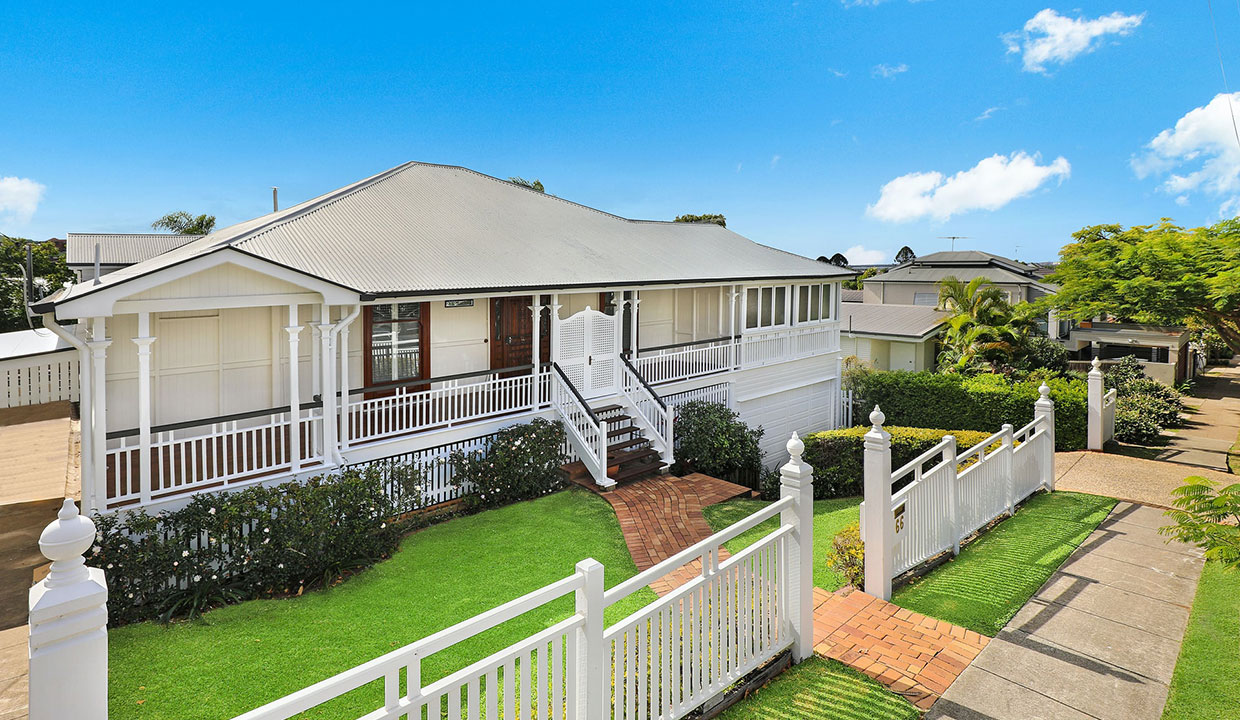
Your home is more than just a place to live — it’s one of your most important financial investments. Whether you’re planning to sell soon or simply want to keep track of your property’s worth, it’s essential to understand what affects your home’s value.
In this article, we’ll explore the top factors that influence property value, so you can make informed decisions and maximize your home’s potential.
🗺️ 1. Location, Location, Location
Arguably the most important factor, location affects everything from demand to future appreciation.
Key location-based factors:
- Proximity to schools, parks, shopping, and public transit
- Neighborhood safety and cleanliness
- Access to job centers or highways
- Overall desirability of the area
A modest home in a great neighborhood can be worth more than a luxurious one in a less desirable area.
🧱 2. Size and Usable Space
The square footage of your home directly affects its value — but it’s not just about how big it is. Usable living space (like bedrooms, bathrooms, and finished basements) matters more than storage rooms or garages.
Tip:
Open floor plans, large kitchens, and ample bathrooms add the most value per square foot.
🏗️ 3. Condition and Age of the Home
Buyers typically prefer homes that are move-in ready. A well-maintained, updated home will command a higher price than one needing major repairs.
What impacts value:
- Age of roof, HVAC, and plumbing systems
- Overall maintenance and cleanliness
- Recent renovations or upgrades
Even small things — like a fresh coat of paint or modern lighting — can make a big difference.
🔧 4. Upgrades and Renovations
Not all upgrades are equal, but strategic improvements can significantly boost your home’s value.
Highest ROI improvements:
- Kitchen remodels
- Bathroom upgrades
- New flooring or energy-efficient windows
- Curb appeal enhancements (landscaping, exterior paint)
Tip:
Stick to upgrades that align with your neighborhood’s price range — over-improving can actually backfire.
🌳 5. Curb Appeal and Landscaping
First impressions count. A well-kept exterior can increase perceived value before buyers even walk in.
Boost your curb appeal with:
- Trimmed lawns and neat landscaping
- Clean driveway and walkways
- Updated front door or mailbox
- Fresh exterior paint or pressure washing
💵 6. Market Conditions
The real estate market is dynamic, and your home’s value is also affected by external factors like:
- Interest rates: Lower rates typically drive higher demand
- Local housing supply: More homes = more competition = lower prices
- Economic conditions: Job growth and population increases fuel property demand
- Seasonal trends: Spring and summer usually bring higher sale prices
🧑🤝🧑 7. Comparable Properties (Comps)
Appraisers and buyers look at similar homes in your neighborhood that have recently sold — known as “comps” — to estimate your home’s value.
What matters:
- Size, age, and condition
- Lot size and location
- Sale price and time on market
If your neighbor sold a nearly identical home for $450,000 last month, that heavily influences what yours may be worth.
🚪 8. Layout and Functionality
Today’s buyers want homes that function well. A strange layout, lack of storage, or too many small rooms can lower your home’s value — even if the square footage is high.
In-demand features in 2025:
- Open floor plans
- Home office space
- Energy efficiency
- Smart home features
🏡 Final Thoughts
Your home’s value is shaped by a mix of physical attributes, market trends, and location-based factors. While some things (like location or market conditions) are beyond your control, others — like maintenance, upgrades, and curb appeal — can be improved to help increase your home’s worth.
Thinking about selling or just want to know what your home is worth in today’s market?
👉 Contact our real estate team for a free home evaluation and expert advice.
