
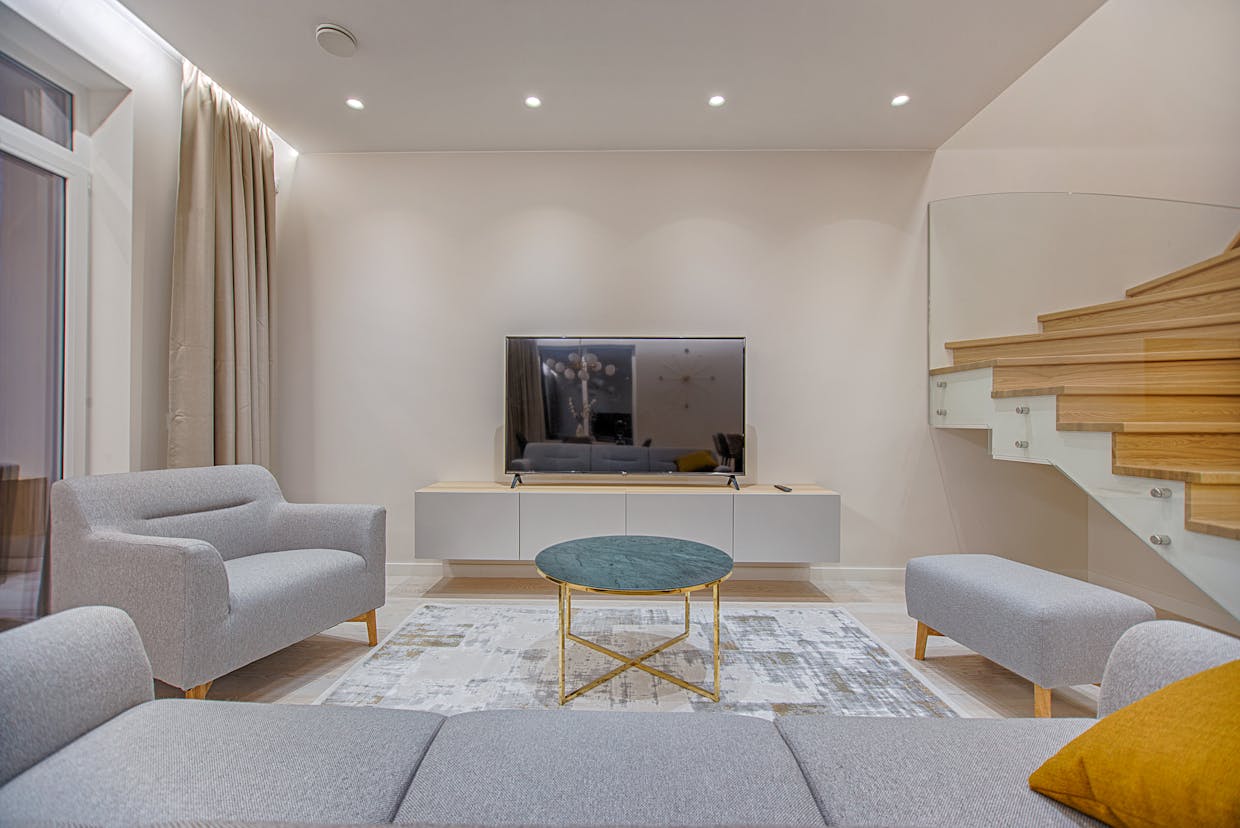
When it comes to finding a place to live, one of the biggest financial decisions you’ll ever make is whether to rent or buy. Both options have their pros and cons, and what’s right for you depends on your lifestyle, financial situation, and long-term goals. In this post, we’ll break down the key differences between renting and buying a home to help you make the best decision.
🏠 Buying a Home: Pros and Cons
✅ Pros of Buying:
- Builds Equity Over Time:
Every mortgage payment you make increases your ownership in the property, helping you build wealth. - Stability and Control:
You’re not subject to a landlord’s rules. You can paint the walls, renovate the kitchen, and truly make it yours. - Potential Appreciation:
Real estate generally appreciates over time, which means your home may increase in value. - Tax Benefits:
Homeowners often enjoy tax deductions on mortgage interest and property taxes (depending on your country’s laws).
❌ Cons of Buying:
- Upfront Costs:
Down payment, closing costs, inspections, and more can make buying expensive initially. - Maintenance Responsibility:
From leaky faucets to roof repairs—every issue is your responsibility. - Less Flexibility:
Selling a home can take time. If you’re planning to move frequently, buying may not be ideal.
🏡 Renting a Home: Pros and Cons
✅ Pros of Renting:
- Flexibility:
Renting makes it easy to relocate for a job or lifestyle change. - Lower Upfront Costs:
Security deposits and first-month rent are much cheaper than a down payment. - No Maintenance Worries:
Landlords are typically responsible for repairs and maintenance. - Access to Amenities:
Many rentals include perks like pools, gyms, or security services without extra cost.
❌ Cons of Renting:
- No Equity or Ownership:
Your rent payments don’t contribute to building wealth or ownership. - Limited Control:
You may face restrictions on modifications, pets, or even long-term tenancy. - Rent Increases:
Rents can rise annually, often unpredictably, especially in competitive markets.
🧠 Key Questions to Ask Yourself
- How long do I plan to stay in one place?
If less than 3–5 years, renting might be more practical. - Am I financially prepared for homeownership?
Beyond the down payment, consider closing costs, property taxes, and emergency repairs. - What’s the real estate market like in my area?
In some cities, it’s cheaper to buy; in others, renting may save you money. - Do I value stability or flexibility more?
Your lifestyle goals matter just as much as your financial ones.
📊 Quick Comparison Table
| Factor | Renting | Buying |
|---|---|---|
| Ownership | No | Yes |
| Upfront Costs | Low | High |
| Flexibility | High | Low |
| Monthly Payments | Rent only | Mortgage + taxes + insurance |
| Maintenance | Landlord’s responsibility | Homeowner’s responsibility |
| Long-term Value | None | Potential appreciation & equity |
💬 Final Thoughts
There’s no one-size-fits-all answer. Renting is great for flexibility and minimal responsibility, while buying is ideal for long-term stability and building wealth. Take time to assess your goals, budget, and lifestyle before deciding.
If you’re still unsure, our real estate experts are here to help. Contact us today for personalized advice based on your current situation.
